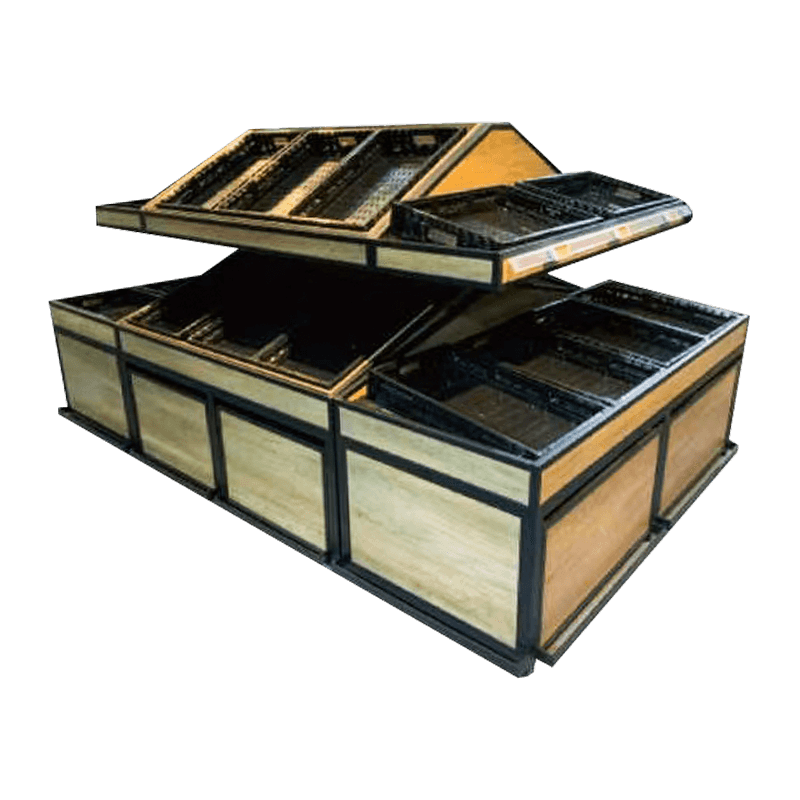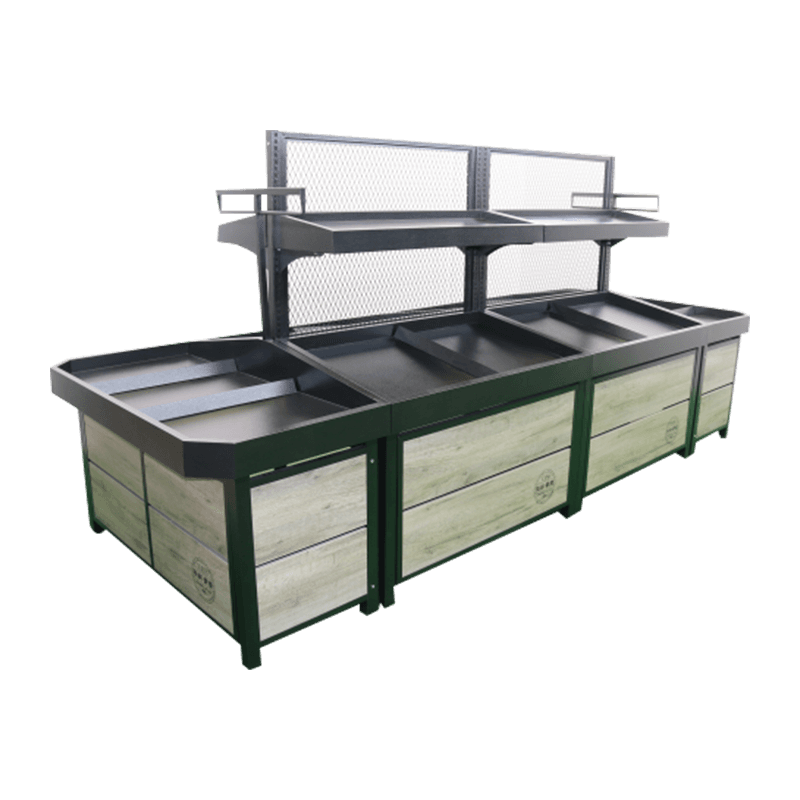

قیمت فولاد به ازای هر فوت مربع از فضای خرده فروشی یکی از مهم ترین تصمیماتی است که یک اپراتور فروشگاه می گیرد - و تقریباً هرگز چنین قاب بندی نمی شود. انتخاب قفسه نمایشگر تعیین میکند که چه تعداد SKU در یک راهرو قرار میگیرد، چند وقت یکبار کارکنان نیاز به ذخیرهسازی مجدد دارند، مشتریان چگونه در فضا حرکت میکنند و در نهایت چقدر درآمد در هر بازدید ایجاد میکند. برای سوپرمارکت ها، مراکز خرید، و فروشگاه های خرده فروشی چند طبقه، الف قفسه صفحه نمایش تجاری سنگین با قفسه بندی فولادی قابل تنظیم مشخصاتی است که همه آن متغیرها را به طور همزمان مدیریت می کند.
چرا ساخت اسکلت فلزی برای محیط های تجاری غیر قابل مذاکره است؟
روکش های چوبی و قفسه های پلیمری سبک وزن در بوتیک های کم تردد به خوبی کار می کنند. در یک سوپرمارکت یا مرکز خرید، جایی که چرخ دستیها روزانه به پایهها برخورد میکنند و قفسهها نوشیدنیها، کالاهای بستهبندی شده و کالاهای فله را برای سالها حمل میکنند، استاندارد ساختاری متفاوت است. قاب های فولادی با استحکام بالا بار را به طور یکنواخت در سطح قفسه توزیع می کنند و از تغییر شکل پیشرونده جلوگیری می کنند که در نهایت قفسه های ارزان تر را برای استفاده با ظرفیت کامل ناامن می کند.
پیامد عملی صلبیت قاب، ذخیره مجدد اطمینان است. هنگامی که قفسهها تحت وزن منحرف میشوند، کارکنان یاد میگیرند - معمولاً پس از افتادن یک محصول - آنها را کاملاً بار نکنند. این انطباق رفتاری به طور بی سر و صدا تراکم نمایش را کاهش می دهد و به همراه آن، فروش هر دستگاه را کاهش می دهد. یک قفسه اسکلت فولادی که برای حمل بارهای تجاری واقعی درجه بندی شده است، این محدودیت را از روز اول حذف می کند.
درمان سطح مزیت دوام را ترکیب می کند. روکشهای پودری مقاوم در برابر زنگ زدگی روی قفسههای تجاری، در برابر نوسانات رطوبت، قرار گرفتن در معرض مواد شیمیایی تمیزکننده و سایش ناشی از عملیات خردهفروشی روزانه مقاومت میکنند. نتیجه، قفسهای است که پس از سه سال استفاده مداوم، حرفهای به نظر میرسد تا رکی که پس از هجده ماه نیاز به تعویض دارد.
ما سری قفسه نمایش تجاری مطابق با این استانداردها مهندسی شده است - قاب های فولادی، پوشش های مقاوم در برابر سایش، و پایداری ساختاری مناسب برای نیازهای بار سوپرمارکت ها، مراکز خرید و محیط های خرده فروشی تخصصی.
قفسه های قابل تنظیم: قابلیتی که برای خود هزینه می کند
قفسه بندی با ارتفاع ثابت باعث سازش می شود. فاصله طبقات را برای بطری های بلند نوشیدنی تنظیم کنید و محصولات آرایشی کوچک نیمی از فضای عمودی را هدر می دهند. آن را برای لوازم آرایشی تنظیم کنید، و نوشیدنی ها اصلا مناسب نیستند. هیچ یک از این نتایج، پتانسیل درآمدی بازی را به حداکثر نمی رساند. قفسه های قابل تنظیم این مشکل را در سطح پیکربندی حل می کنند، قبل از اینکه یک محصول به نمایش درآید.
مکانیسم ساده است: براکتهای قفسه در فواصل زمانی منظم - معمولاً هر 25 یا 50 میلیمتر - در ستونهای عمودی قرار میگیرند، بنابراین فاصله بین طبقات را میتوان در کمتر از یک دقیقه بدون ابزار تغییر داد. در عمل، این بدان معناست که همان قفسهای که کالاهای بستهبندی شده را در طول یک هفته استاندارد نگه میدارد، میتواند یک شبه برای یک تبلیغ فصلی با حمل اقلام بزرگتر پیکربندی شود، سپس هفته بعد به طرح استاندارد خود بازگردانده شود. بدون وسایل جدید، بدون فضای زمین هدر رفته، بدون محدودیت در تقویم تجاری.
| دسته بندی محصول | فاصله ردیفی توصیه شده | نیاز به پیکربندی کلید |
|---|---|---|
| نوشیدنی (بطری، قوطی) | 350-450 میلی متر | حداکثر ظرفیت بار در هر لایه |
| کالاهای جعبه ای / بسته بندی شده | 250-350 میلی متر | عمق ثابت برای روکش |
| لوازم آرایشی / مراقبت شخصی | 150-200 میلی متر | فاصله تنگ برای تراکم SKU |
| مختلط / تبلیغاتی | متغیر | پیکربندی مجدد سریع بدون ابزار |
برای اپراتورهای فروشگاهی که دستههای مختلف محصول را مدیریت میکنند - یک سوپرمارکت با همه چیز از محصولات تمیزکننده خانگی گرفته تا تنقلات بستهبندی شده - قفسهبندی قابل تنظیم یک ویژگی ممتاز نیست، بلکه یک نیاز عملیاتی اولیه است. را قفسه نمایش مدولار انعطاف پذیر در محدوده ما بر اساس این اصل طراحی شده است، با گام قفسه و تعداد ردیف قابل تنظیم برای متناسب با هر مجموعه خرده فروشی استاندارد.
استفاده از فضا: چگونه طراحی قفسه بر درآمد هر متر مربع تأثیر می گذارد
فضای طبقه خرده فروشی چه درآمدی داشته باشد چه نداشته باشد هزینه دارد. هر متر مربعی که دارای انبارهای مرده، نمایشگرهای کمیاب یا وسایل با اندازه نامناسب است، یک متر مربع است که ترافیک پیادهروی را به فروش تبدیل نمیکند. رابطه بین طراحی قفسه و استفاده از فضا مستقیم و قابل اندازه گیری است.
بازده عمودی اولین متغیر است. قفسهای که از 1000 میلیمتر ردپای کف استفاده میکند اما ارتفاع صفحه نمایش 2400 میلیمتر را ارائه میکند - پنج یا شش طبقه قابل تنظیم - شش برابر سطح رو به محصول یک واحد تک قفسهای با همان ضربه کف ایجاد میکند. برای دستههای پرترافیک مانند کالاهای بستهبندی و نوشیدنیها، قفسهبندی فولادی چند لایه با ردپای کوچک، کارآمدترین قالب موجود در محیطهای خردهفروشی تجاری است.
پانل های پشتی و موانع جانبی به کارایی و ارائه کمک می کنند. هنگامی که محصولات در مقابل یک پانل پشتی جامد نمایش داده می شوند، به جای اینکه به عقب بروند، در قفسه سازماندهی می شوند - این امر باعث کاهش دفعات صاف کردن مورد نیاز کارکنان می شود و نمایشگر را بین بازدیدها کاملاً نگه می دارد. موانع جانبی SKU های مختلف را در یک ردیف تقسیم می کنند و از خونریزی دسته بندی که تصمیم گیری مشتری را کند می کند جلوگیری می کند.
بازار جهانی قفسه بندی خرده فروشی منعکس کننده این منطق عملیاتی است. بر اساس تحقیقات اخیر بازار، سیستم های قفسه بندی فلزی در حال حاضر بر بخش قفسه بندی تجاری تسلط دارند به دلیل دوام، انعطافپذیری پیکربندی و توانایی پشتیبانی از نیازهای بار در محیطهای مدرن سوپرمارکت و مراکز خرید - موقعیتی که با ادغام قالبهای خردهفروشی در فروشگاههای بزرگتر و با حجم بالاتر تقویت شده است.
تطبیق قفسه با محیط خرده فروشی
سوپرمارکتها، مراکز خرید، داروخانهها و فروشگاههای رفاه نیاز به قفسههای نمایش تجاری دارند، اما در قالب نمایشگر که برای هر کدام بهترین کارایی دارد، تفاوت چشمگیری دارند.
سوپرمارکت ها ظرفیت بار، سرعت ذخیره سازی مجدد و مدیریت عرض راهرو را اولویت بندی کنید. قفسههای دو طرفه به سبک گوندولا با قابهای فولادی سنگین و قفسههای قابل تنظیم فرمت استاندارد هستند زیرا راهروهای خرید مشخصی ایجاد میکنند و در عین حال تراکم نمایش را در هر دو وجه به حداکثر میرسانند. قابلیت حمل پالت های کامل نوشیدنی ها یا کنسروها بدون انحراف در قفسه، ویژگی حیاتی است.
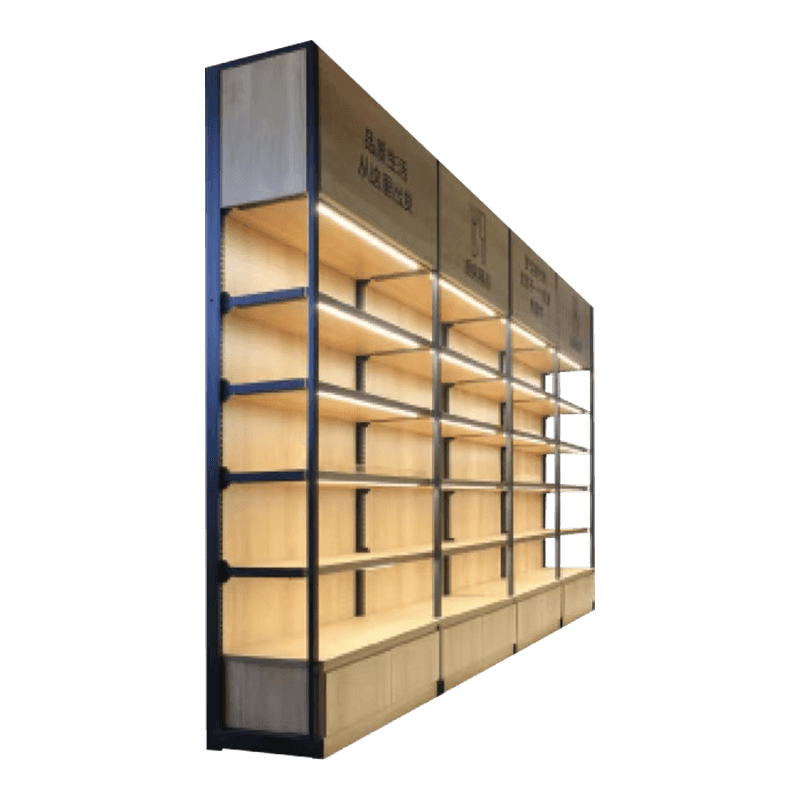
مرکز خرید خرده فروشی بعد زیبایی شناسی را اضافه می کند که قفسه بندی صرف سوپرمارکت نیازی به آن ندارد. قابهای فولادی مینیمالیستی با خطوط دید تمیز، پرداختهای اختیاری با لهجه چوبی، و سازگاری با نور یکپارچه، به نمایشگرهایی با فرمت مرکز خرید، جلای بصری مورد نیاز مکانهای پرافتخار را میدهند. الزامات ساختاری یکسان است - فولاد سنگین، پوشش مقاوم در برابر زنگ زدگی، پیکربندی قابل تنظیم - اما استاندارد ارائه بالاتر است.
داروخانه ها و فروشگاه های تخصصی معمولاً برای SKUهای کوچکتر به فاصله کمتری در قفسه و تقسیم بندی بیشتر نیاز دارند تا دسته بندی محصولات را به وضوح جدا کنند. همان قاب فولادی قابل تنظیم که در راهروی نوشیدنی سوپرمارکت خدمت میکند، میتواند در فواصل زمانی کوتاهتر برای نمایش مؤثر لوازم آرایشی، محصولات بهداشتی یا مکملهای بستهبندی شده مجدداً پیکربندی شود.
ما display rack lineup covers all three formats. The قفسه نمایش بادوام چند منظوره مناسب برنامه های کاربردی سوپرمارکت های پر بار، در حالی که قفسه نمایش مینیمالیستی مدرن — در 1000L×400W×2400H — برای راندمان ارتفاع تا ردپایی که خرده فروشی های مرکز خرید ممتاز نیاز دارند طراحی شده است.
قبل از خرید قفسه های نمایشگر تجاری چه چیزی را باید تأیید کرد
چندین نکته مشخصه قبل از متعهد شدن به سیستم رک برای نصب تجاری ارزش تأیید دارند. درست کردن این موارد در مرحله خرید از اصلاحات گران قیمت پس از نصب جلوگیری می کند.
- رتبه بار در هر طبقه قفسه: ظرفیت نامی را به کیلوگرم در هر قفسه تأیید کنید، نه فقط ظرفیت کل قفسه را. یک قفسه با وزن 500 کیلوگرم در مجموع با پنج طبقه با قفسه ای که در هر طبقه 150 کیلوگرم است یکسان نیست - قفسه اول ممکن است بار کامل نوشیدنی را در یک قفسه نگه ندارد.
- گام ستون عمودی: گام ظریف تر (فاصله های 25 میلی متری) انعطاف پذیری بیشتری را برای تنظیم دقیق ارتفاع ردیف می دهد. گام درشت تر (50 میلی متر) برای پیکربندی سریع تر است، اما نحوه انطباق دقیق قفسه ها را با ابعاد محصول محدود می کند.
- مشخصات پوشش: روکش های پودری باید ضخامت پوشش (معمولاً 60 تا 80 میکرون برای کاربردهای تجاری) و استاندارد چسبندگی را مشخص کنند. پوشش های نازک یا با پیوند ضعیف در نقاط تماس تراشه می کنند و در مدت چند ماه در محیط های مرطوب شروع به زنگ زدن می کنند.
- سیستم مونتاژ: مونتاژ و جداسازی بدون ابزار یک مزیت عملیاتی واقعی در محیط های خرده فروشی است که در آن چیدمان ها به صورت فصلی تغییر می کنند. تأیید کنید که آیا سیستم از اتصالات بدون پیچ و مهره استفاده می کند یا برای تنظیم هر ردیف به سخت افزار نیاز دارد.
- سازگاری در میان پیکربندی ها: اگر فروشگاه از چندین مدل قفسه استفاده میکند، تأیید کنید که پایهها، قفسهها و لوازم جانبی در سراسر محدوده قابل تعویض هستند. سیستم های ترکیبی از تولید کنندگان ناسازگار باعث ایجاد سردردهای ذخیره سازی و جایگزینی می شوند.
برای تطبیقهای جدید فروشگاه یا ارتقاء فروشگاههای موجود، تیم ما پشتیبانی از برنامهریزی چیدمان را برای مطابقت با پیکربندی قفسهها با پلانهای طبقه، الزامات جریان ترافیک و مجموعه محصولات قبل از سفارش هر سختافزاری ارائه میکند. تماس با ما از طریق صفحه استعلام برای بحث در مورد نیازهای پروژه خاص خود
محاسبه هزینه ای که اکثر خریداران اشتباه می کنند
تصمیمات خرید قفسه صفحه نمایش تجاری اغلب بر اساس قیمت واحد در هر قفسه گرفته می شود. محاسبه مرتبطتر درآمد هر متر مربع در طول عمر دستگاه است - و این رقم بسیاری از تصمیمهای گرفته شده در مورد هزینه اولیه را به تنهایی معکوس میکند.
قفسهای که 20 درصد قیمت کمتری دارد اما به جای هشت سال بعد از سه سال نیاز به تعویض دارد، هزینه کل مالکیت آن بیشتر از واحد گرانتر است، بدون در نظر گرفتن هزینه نیروی کار نصب جایگزین یا درآمد از دست رفته در طول دوره انتقال. هنگامی که رک ارزانتر نیز به دلیل رتبهبندی بار ضعیفتر، تراکم نمایشگر کمتری ارائه میکند، شکاف بیشتر میشود.
ساخت و ساز فولادی سنگین با پوشش مقاوم در برابر زنگ زدگی و سیستم قفسه قابل تنظیم به خوبی مهندسی شده برای فروشگاههای ممتاز یک مشخصات ممتاز نیست - این مشخصات پایه برای هر محیط خردهفروشی تجاری است که در آن دستگاه با بار معنیدار برای بیش از یک سال کار میکند. جایگزین، نمایشگر خرده فروشی ارزان تر نیست. چرخه های جایگزینی مکرر و انعطاف پذیری تجاری محدود است.
برای سوپرمارکتها، مراکز خرید و خردهفروشهای تخصصی که گزینههای قفسهبندی تجاری را ارزیابی میکنند، نقطه شروع قفسهای است که با بار واقعی و نیازهای پیکربندی مجدد محیط مطابقت دارد - و به اندازهای طول میکشد که سرمایهگذاری را توجیه کند.